

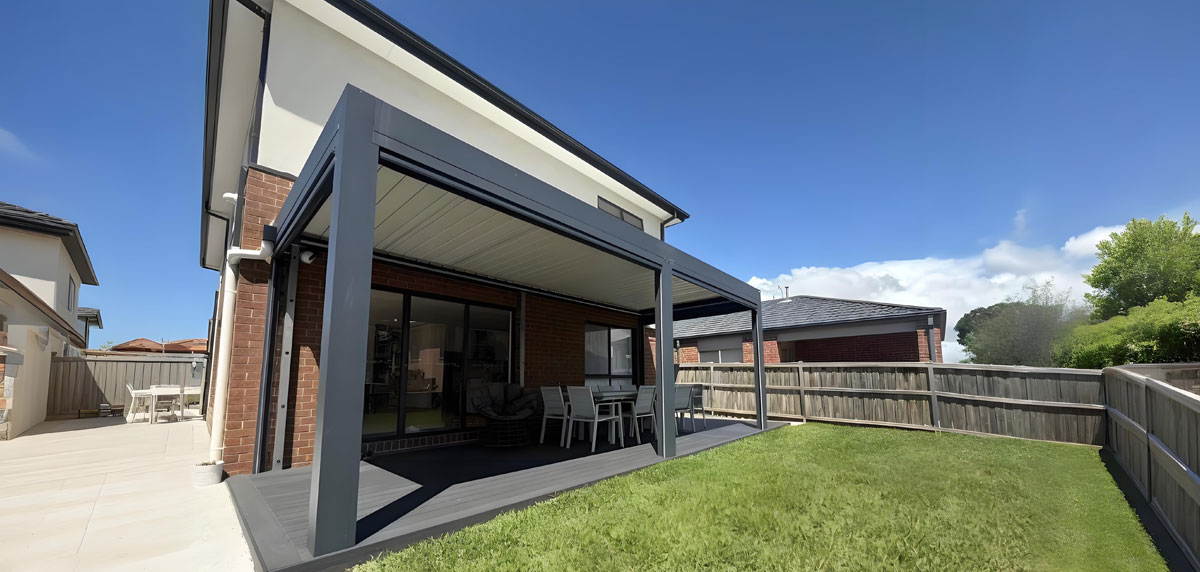
When considering building a pergola in your garden or backyard, one of the most common questions homeowners have is: "Do I need a permit?" Permitting requirements can vary widely depending on the location, size, and design of the pergola. While some homeowners may overlook this step, failing to obtain the necessary permit can lead to fines, demolition orders, or complications when selling the property. Since building codes differ from state to state and even county to county, it's always best to check with your local government before starting your project.
Why Do You Need a Permit?
Building permits are primarily designed to ensure that the structure you build complies with local building codes, ensuring the stability and safety of the pergola, especially with regard to important design requirements such as wind resistance, while also preventing any impact on neighbors or the community. Since building regulations vary from place to place, a permit helps ensure that your pergola's design and construction meet the requirements, avoiding potential legal issues down the road. Building without a permit may lead to fines or even the need to remove a non-compliant structure, which wastes both time and money and can affect property transactions. If you plan to sell your property in the future, an unapproved structure may become a barrier for potential buyers, causing delays or reducing the sale price. In short, applying for a permit in advance is a key step in ensuring your project proceeds smoothly and avoiding legal risks.
Do You Need a Permit to Build a Pergola?
Whether a building permit is required mainly depends on several factors, including the type, size, design of your pergola, and the location. Different states, counties, and cities have different building codes, so the best approach is to consult with the local government. Generally speaking, temporary or small pergolas (such as sunshades or simple shade covers) usually do not require a permit because they are not considered permanent structures. However, if your pergola involves a fixed foundation, large-scale construction, or is attached to an existing building, it typically requires a building permit. Especially in commercial spaces, there may be additional requirements, such as the distance between the pergola and existing buildings, the materials used, and whether additional electrical or structural permits are needed.
Building Code Details
When applying for a building permit, it's important to ensure that your pergola design complies with a series of building codes. These codes are not just legal requirements; they are also key to ensuring the safety and durability of the structure. Here are some common building codes to be aware of, which can help you avoid design oversights and ensure your project passes approval:
l Height Restrictions: Most areas have clear limits on the maximum height of a pergola, typically not exceeding 12 feet. If the height of the pergola's roof exceeds this limit, you may need to apply for an additional structural permit and undergo a more stringent approval process.
l Structural Requirements: The spacing between beams, the diameter of the posts, and the depth of the foundation are all subject to detailed regulations. Local climate conditions (such as wind speeds and rainfall) may also influence these requirements. For example, coastal areas may have higher standards for wind resistance.
l Additional Facility Requirements: If your pergola design includes electrical power, lighting, heating equipment, or other additional facilities, you may need to apply for electrical permits and structural permits in addition to the building permit. These installations must be reviewed by professional engineers to ensure the structure can bear the additional load and meet electrical safety standards.
l Materials and Use: Some areas have specific requirements for the materials used in a pergola, especially in commercial or special zones (such as historic districts). For example, many jurisdictions have regulations regarding the use of treated wood or fire-resistant materials for pergolas. This is why aluminum pergolas are a popular and excellent choice.
l Regulations for Special Areas: In some special areas, such as coastal regions, there may be stricter wind-resistance standards. Additionally, historical districts or scenic preservation areas may impose extra requirements on the architectural style and visual design to ensure the pergola does not disrupt the aesthetic of the surrounding buildings.
Understanding and adhering to these building codes not only helps ensure the safety of your pergola but also avoids the risk of fines or removal due to non-compliance.
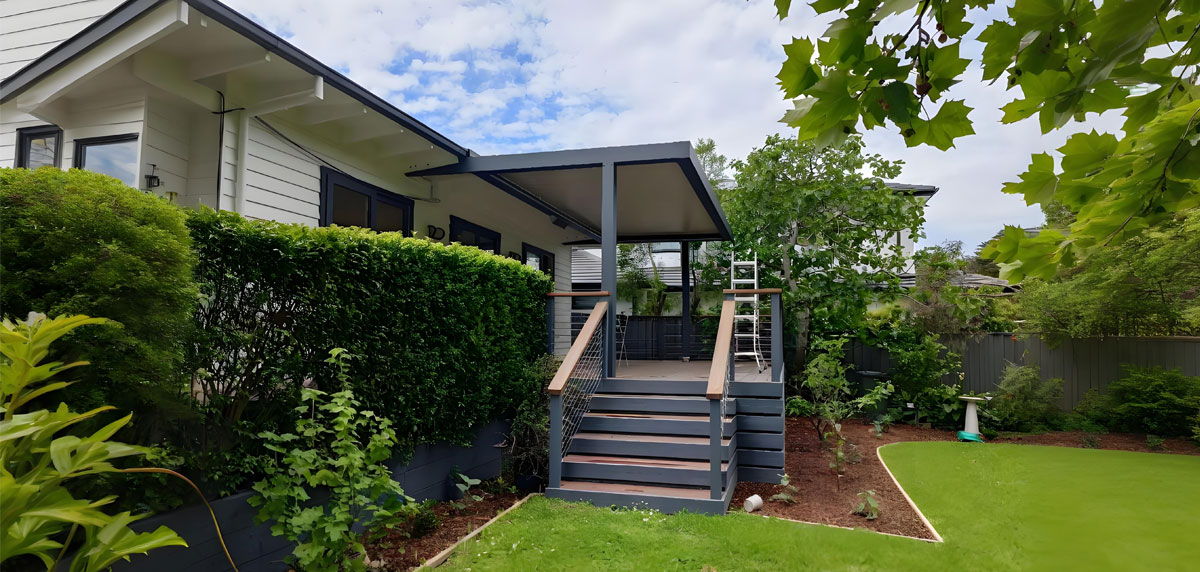
How to Obtain a Pergola Planning Permit?
Once you have confirmed that you need a building permit, the process for obtaining a pergola planning permit typically includes the following steps:
1. Prepare the Plans: Prepare detailed architectural drawings, including site plans, elevation plans, and structural designs. If the design includes electrical systems or other facilities, relevant drawings must be included and reviewed by a licensed engineer.
2. Submit the Application: Submit the reviewed drawings to the local building department for code compliance and safety inspections.
3. Modifications and Approval: If modifications are required, the building department will provide feedback. You can adjust the design as needed and resubmit the plans until they are approved.
4. Approval and Construction: Once all necessary approvals are granted, construction can begin. During the construction process, there may be on-site inspections to ensure the work complies with the regulations.
In most cases, aluminum pergola kits do not require a permit, but it's always best to consult your local building authority to confirm whether a permit is necessary. If a permit is required, the BLD Pergola team will assist by providing the necessary plans and certificates to help you quickly obtain approval.
The Impact of Homeowners' Associations (HOA)
In some residential communities, Homeowners' Associations (HOA) set a series of rules that may influence how you build your pergola. While the HOA does not regulate building codes, they typically have specific requirements regarding the design, size, location, and materials used for the pergola to ensure the new structure aligns with the overall style of the neighborhood. Failing to adhere to these rules can result in fines, project delays, or even a requirement to modify or remove the structure after it’s completed.
Whether you plan to install a freestanding pergola or an attached pergola, it's crucial to thoroughly review and understand the relevant regulations set by your HOA before starting the design. Ensuring your design complies with all the requirements will help you avoid any complications caused by non-compliance.
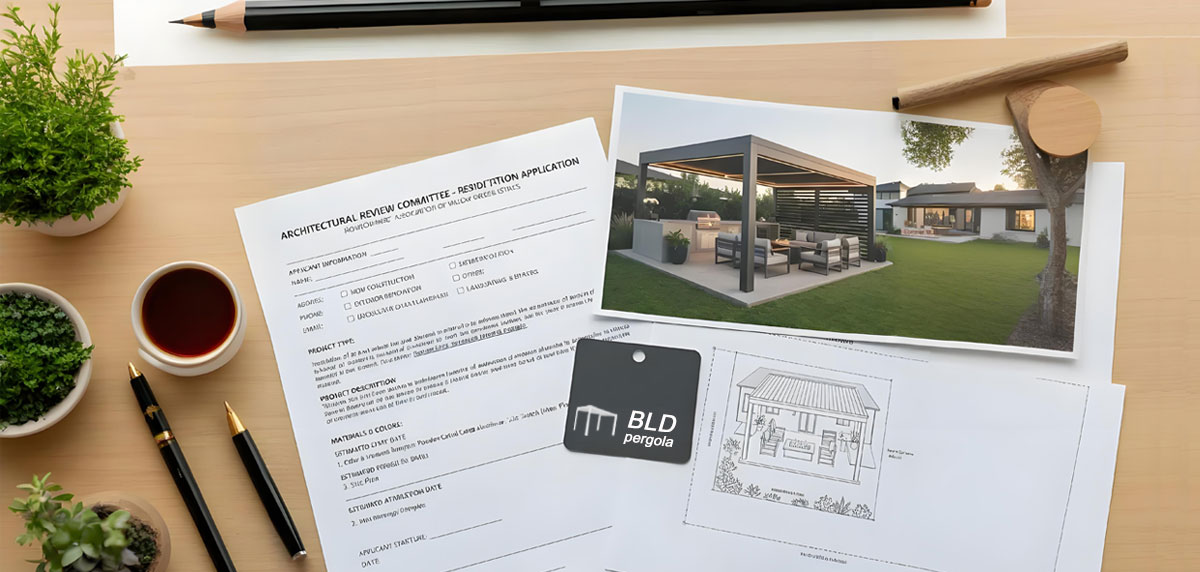
Pergola Permit Fees
The cost of obtaining a pergola permit varies by location and is typically determined by the size, complexity, and local government regulations. In general, permit fees are usually related to the construction cost, building area, or the level of review required. According to HomeGuide.com, the cost of a building permit in the U.S. typically ranges from 0.5% to 2% of the construction cost, although in some areas, fees can be as high as 10%.
If the pergola design is more complex and includes electrical, heating, or other additional facilities, extra approval fees may apply. Therefore, understanding the local fee structure is key to ensuring that your budget remains on track.
Important Note: If a contractor is handling the installation, they will typically manage the permit application and plan approval. These fees are often included in the overall project budget, so be sure to confirm with the contractor to avoid paying the fees twice.
Frequently Asked Questions (FAQ)
1.Do Small Pergolas Also Need a Permit?
If the pergola does not involve a fixed foundation, roof, or additional facilities, and is relatively small in size, it typically does not require a permit. However, in some areas, even small pergolas may need to be confirmed based on local regulations.
2.What Are the Consequences of Not Applying for a Permit?
An unapproved pergola could face fines, demolition orders, or modification requirements. Particularly when you decide to sell your property, an unpermitted structure may become an obstacle for potential buyers, affecting the transaction price or process.
3.How Do I Know If My Design Complies with the Regulations?
The best approach is to consult a professional architect or contractor, or directly contact the local building department to confirm whether your design complies with the relevant codes and requirements before starting construction.
Conclusion
Regardless of the size or complexity of your pergola, ensuring compliance with local building codes and obtaining the necessary permits is crucial. Understanding in advance whether a permit is required and completing all approvals can effectively prevent legal issues and ensure the structure's safety and legality. Working with local building authorities or seeking professional assistance can help your pergola project proceed smoothly and comply with all regulations. If you're unsure whether a permit is needed, it's best to consult ahead of time to avoid additional costs and issues in the future.
Choosing a reliable pergola manufacturer is essential. BLD Pergola will provide the necessary plans and professional support to ensure you easily obtain the required permits and launch your project without a hitch.