

When choosing a fence for your home, color, style, and price are usually the first things that come to mind. But the material you choose will have a much bigger impact on how the fence performs over time.
Aluminum fence and vinyl fence are both popular options for residential properties. Both are relatively low-maintenance and can handle outdoor conditions well, but they differ in durability, privacy, appearance, design flexibility, and performance in different climates.
So, which one is better for your home?
The answer is not simply a matter of price. Your local climate, privacy needs, home style, intended use, and how long you expect the fence to last all play a role in the decision.
Let's take a closer look at the key differences between aluminum and vinyl fencing and see which option makes more sense for your property.
What Are Aluminum Fences?
Aluminum fences are made from aluminum alloy and typically consist of posts, rails, pickets, or aluminum panels. A powder-coated finish is commonly used to protect the surface while providing a range of colors and finishes.
Aluminum does not rust like ordinary steel, and its relatively light weight makes it easier to transport, fabricate, and install. For residential fencing, one of its biggest advantages is the balance it offers between durability and design flexibility.
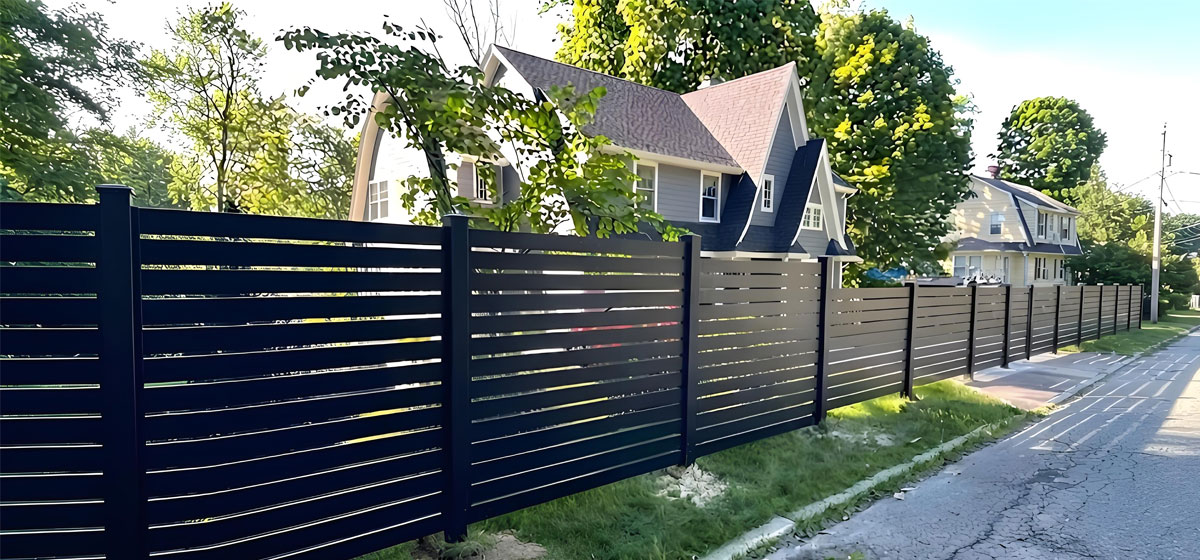
Traditional aluminum fences often use an open picket design, leaving space between the pickets and keeping the yard visually open. Modern aluminum fencing offers more options, including horizontal slats, vertical slats, and louvered panels. Changing the orientation and spacing of these elements can create a completely different look while also providing more privacy.
This flexibility allows aluminum fencing to work with a wide range of residential styles. It can be used around front yards, backyards, pools, and other outdoor spaces, from traditional homes to contemporary properties.
What Are Vinyl Fences?
Vinyl fences are typically made from PVC (polyvinyl chloride). Unlike wood fencing, vinyl does not rot and does not require regular painting or staining, which makes it relatively easy to maintain.
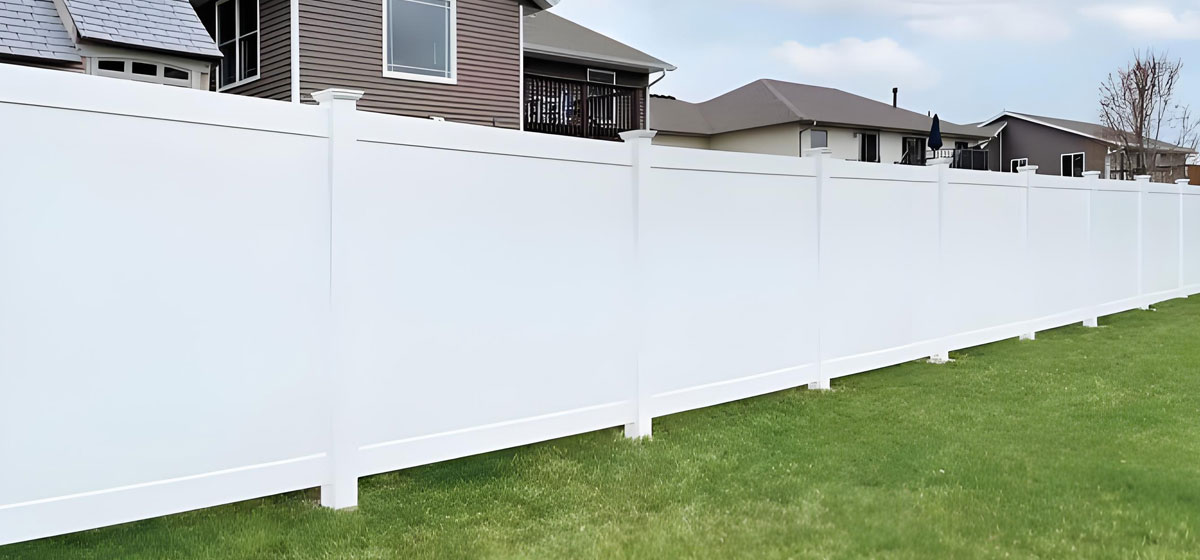
One of the biggest advantages of vinyl fencing is the range of privacy fence designs available. Many vinyl fences use solid panels that create a continuous visual barrier, making them a popular choice for backyards, property boundaries, and spaces where privacy is a priority.
There are also picket-style and semi-private designs for homeowners who want some separation without completely blocking the view.
Vinyl fencing generally has a clean, traditional appearance. The classic white vinyl privacy fence is especially common in residential applications.
Like any fencing material, however, the actual performance of vinyl depends on factors such as product quality, structural design, installation, and local weather conditions. The material name alone does not tell the whole story.
Aluminum Fence vs. Vinyl Fence: Key Differences
Both materials can work well for residential fencing. The differences become more noticeable when you look at how each one performs in everyday use.
1. Durability and Lifespan
A fence stays outside year-round, exposed to sunlight, rain, moisture, temperature changes, and wind. That makes durability an important part of the buying decision.
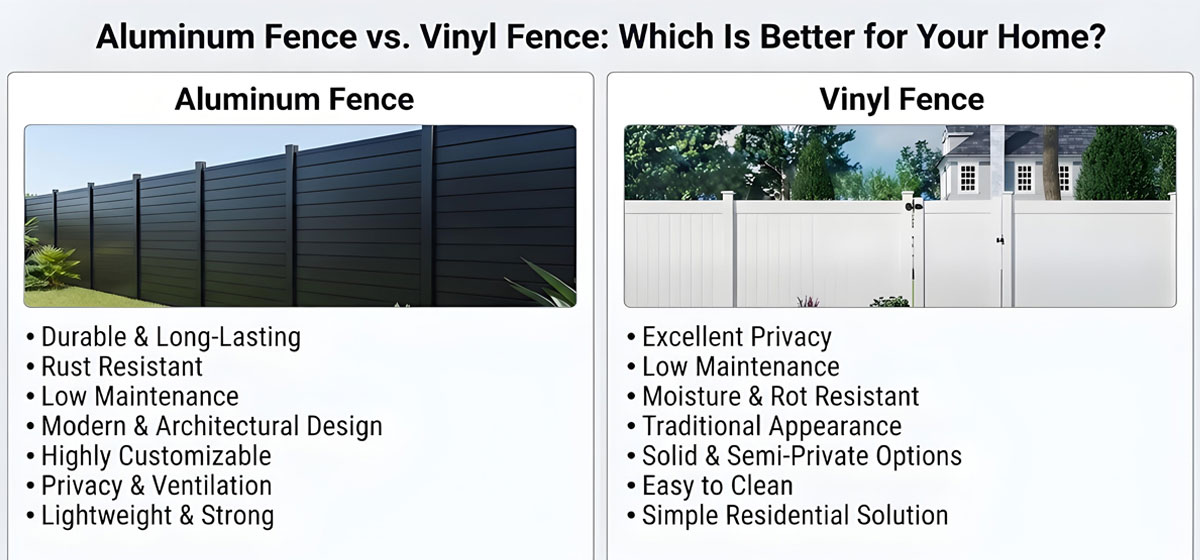
One of aluminum's biggest advantages is its resistance to corrosion. Unlike ordinary iron fencing, aluminum does not rust when exposed to moisture. A quality finish adds another layer of protection. BALLEDE aluminum fencing uses a powder-coated finish designed to provide a durable surface while maintaining a clean appearance over time.
Aluminum is also relatively lightweight, but a properly engineered fence system can provide the stability needed for long-term residential use.
Vinyl has its own advantages. It does not rust or rot, making it suitable for many damp environments. Unlike wood, it does not need regular staining, painting, or other preservative treatments.
The two materials can behave differently when subjected to impact. Aluminum has good rigidity and structural strength, while vinyl can crack, break, or deform under a strong impact. Actual performance depends on the quality of the material, product design, and surrounding conditions.
If long-term durability matters to you and you also want more freedom in fence design, aluminum is worth a closer look.
2. Maintenance
Both aluminum and vinyl fencing are relatively low-maintenance options, especially when compared with wood.
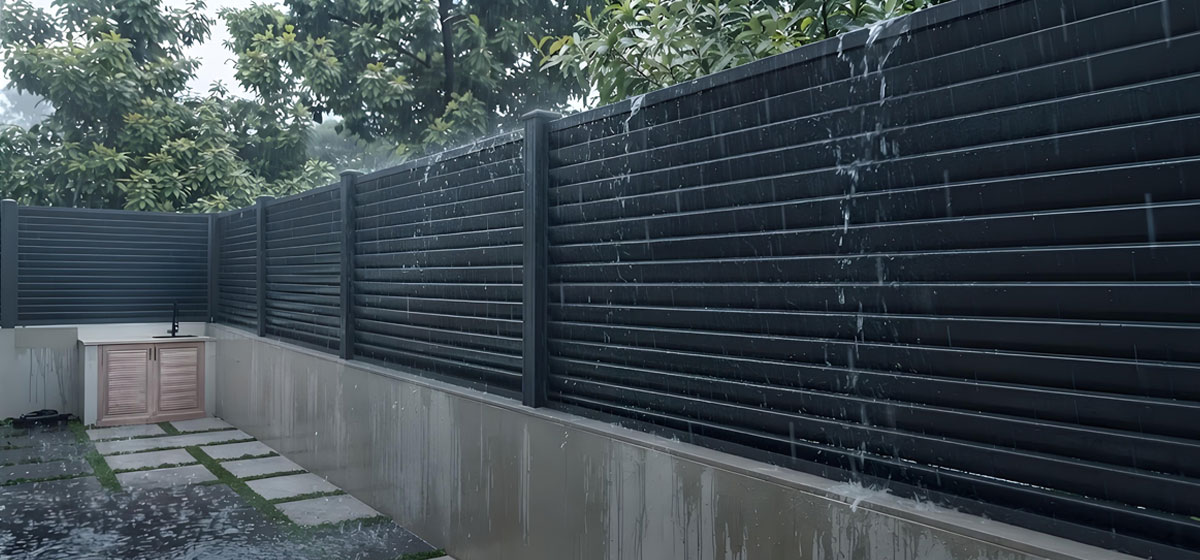
Aluminum fencing typically does not need to be repainted or treated for rust. Most routine maintenance involves removing dirt, dust, and other buildup. A quality powder-coated surface also makes cleaning fairly simple. In many cases, rain or an occasional rinse is enough to keep the fence looking clean.
Vinyl fencing is similarly easy to maintain. There is no painting or rust treatment involved, so most of the upkeep comes down to cleaning the surface. Dirt, mud, and mildew can be more noticeable on light-colored vinyl, particularly in damp or dusty environments.
If your goal is to install a fence and spend as little time as possible maintaining it, both materials are worth considering. The bigger differences come down to durability, appearance, and how each material fits your property.
3. Privacy
Privacy is one area where the design of the fence can matter just as much as the material.
Traditional aluminum fencing usually has an open design, with space between the pickets. This works well for front yards, pool areas, or properties where maintaining an open view is important.
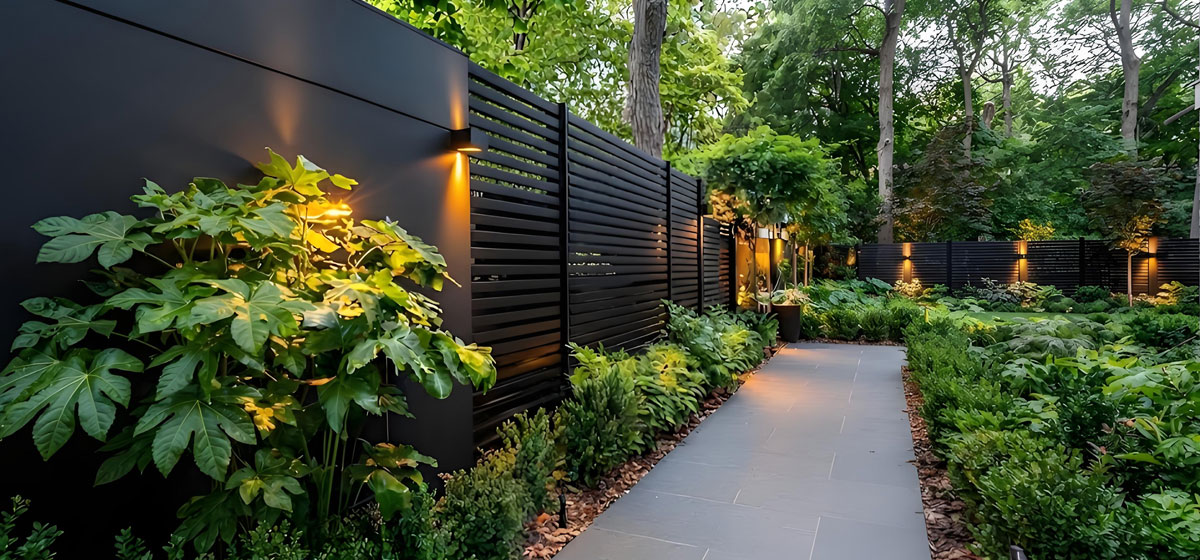
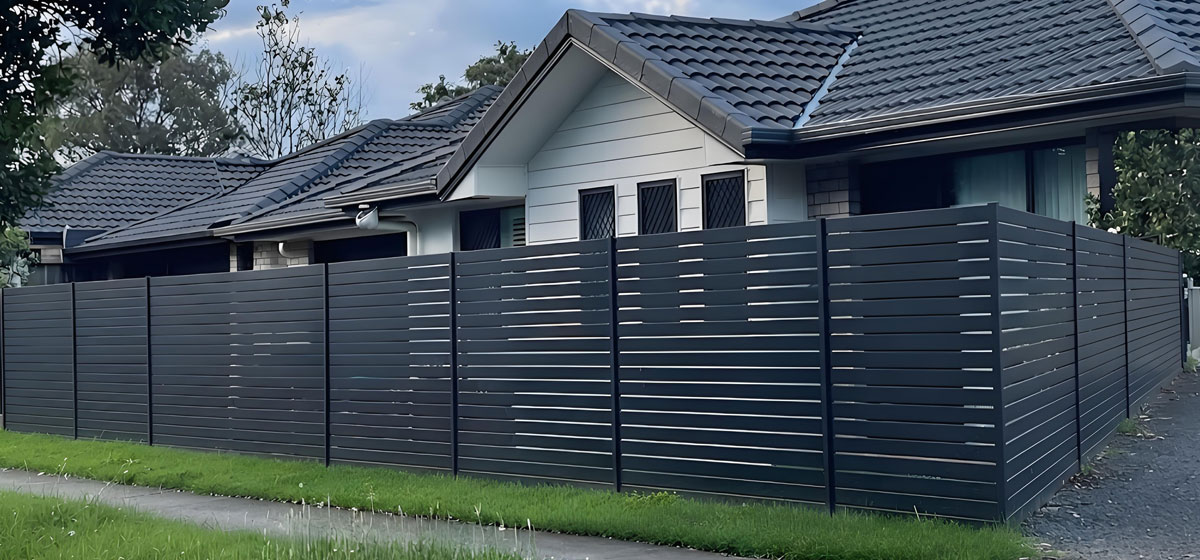
Modern aluminum fencing offers a different approach. Horizontal slats, vertical slats, louvered panels, and tighter spacing can reduce visibility while giving the fence a more contemporary appearance. The spacing between the slats can also be adjusted to create a balance between privacy and airflow.
Vinyl fencing takes a more straightforward approach to privacy. Solid panels create a continuous visual barrier and are particularly useful for backyards or property lines where blocking outside views is the main goal.
If you want maximum visual privacy, a solid vinyl fence can be a simple solution. If you want privacy without giving up airflow or a modern look, a slatted or louvered aluminum fence offers another option.
BALLEDE aluminum slat and louvered fencing can be customized with different spacing to help homeowners find the right balance of privacy, ventilation, and visual appeal.
4. Appearance and Design
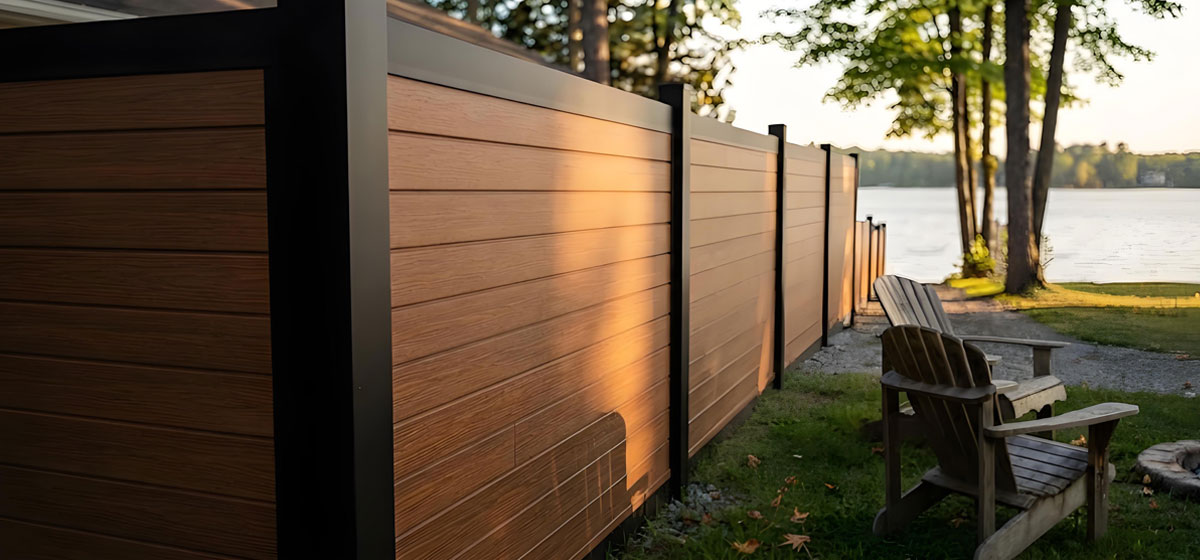
A fence does more than define a property line. It also becomes part of the home's exterior, so its appearance can have a noticeable effect on the overall look of the property.
Aluminum fencing offers plenty of room for customization. Fence styles, slat direction, spacing, colors, and structural details can all be selected based on the needs of a particular project.
Horizontal and vertical slats create very different visual effects, while louvered designs can add a more architectural feel while allowing for airflow and privacy.
This makes aluminum especially well suited to modern homes. Its clean lines can complement contemporary architecture, landscaping, patios, and other outdoor features without making the fence feel disconnected from the rest of the property.
Vinyl fencing tends to have a more traditional and uniform appearance. White privacy fences are a familiar choice, while picket and semi-private styles can work well with classic residential architecture.
If you prefer a modern architectural look and want more room to customize the fence, aluminum gives you more options. For a simpler, more traditional appearance, vinyl may be the better fit.
5. Weather and Climate Resistance
Because a fence remains outdoors throughout the year, the climate where you live is worth considering before choosing a material.
Aluminum does not rust, which makes it a strong option for rainy or humid environments. Aluminum fencing is also commonly used around coastal homes, although coastal conditions can be harder on outdoor finishes. In areas with significant salt exposure, product quality, surface treatment, and installation all deserve extra attention.
Vinyl also performs well in damp conditions. It does not rot or rust, which gives it an advantage in many humid environments.
Strong winds are a different consideration. Fence performance depends on more than the material itself. Post size, panel design, installation depth, anchoring, and local wind-load requirements can all affect stability.
For properties in areas with frequent high winds, choosing a properly engineered fence system and having it installed correctly is more important than simply choosing aluminum over vinyl—or vice versa.
6. Cost and Long-Term Value
Price is an important part of any fencing project, but the material price alone does not tell you what the finished project will cost.
The total price can include the fence size, design, gates, posts, installation, shipping, and site conditions.
Vinyl fencing can have a competitive upfront cost in some projects, particularly when using simple, standardized designs. Aluminum fencing may require a higher initial investment, but durability, design flexibility, and low maintenance can also add value over the life of the fence.
Instead of asking only:
“Which fence is cheaper?”
it may be more useful to ask:
“Which fence offers the value I need over its expected lifespan?”
Which Fence Is Better for Your Home?
So, which is better for your home—aluminum or vinyl?
It really comes down to what matters most to you.
Choose Aluminum Fence If You Want:
l Modern architectural appearance
l More design and customization options
l Long-term durability
l Low maintenance
l Better design flexibility for privacy
l A fence that complements modern landscaping
If your home has a modern architectural style or you want the fence to work as part of your landscaping and overall exterior design, aluminum is worth considering.
Horizontal slats, vertical slats, and louvered designs also give you more ways to balance appearance, privacy, and airflow. For homeowners looking to customize these details, a custom aluminum privacy fence from BALLEDE can be a practical option.
Choose Vinyl Fence If You Want:
l More privacy
l Solid or semi-private panels
l Traditional appearance
l Low maintenance
l Simple residential fencing
If your main goal is to create a private backyard while keeping the design simple and easy to maintain, vinyl may be the better fit.
For example, a solid vinyl privacy fence can provide a straightforward visual barrier between your backyard and neighboring properties.
Final Thoughts
Choosing between aluminum and vinyl ultimately comes down to what you want from your fence over the years.
If privacy and a simple, low-maintenance design are your top priorities, vinyl can be a practical choice. If you care more about durability, modern appearance, airflow, and design flexibility, aluminum offers more room to work with.
For homeowners who want a fence to do more than simply mark a property line, aluminum gives you greater freedom to match the fence to the architecture and landscaping of the home. Different slat styles, louvered designs, colors, and spacing can be used to create a fence that feels like part of the property rather than an afterthought.
If you're considering a custom aluminum fence for your home, explore BALLEDE's aluminum fencing solutions to find a design that fits your property, privacy needs, and overall style.