

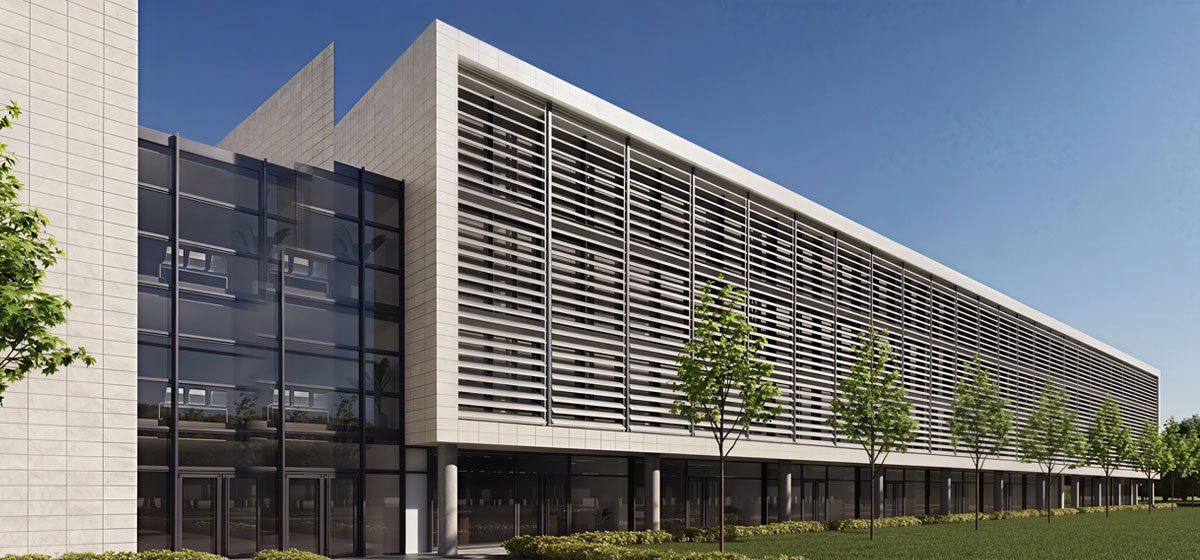
As modern office buildings place greater emphasis on architectural aesthetics, indoor comfort, and energy efficiency, facade design is evolving beyond its traditional decorative role. This is particularly true for office buildings with extensive glass curtain walls and large windows, where architects and developers must find ways to manage natural light, improve indoor environments, and maintain an attractive exterior appearance.
Aluminum louvers are a versatile architectural solution that addresses many of these requirements. They can be incorporated into building facades and window systems, as well as HVAC ventilation areas, rooftop equipment enclosures, and parking structures. With the right design and installation, aluminum louvers contribute to architectural aesthetics, environmental control, and equipment screening.
Let's explore the different applications of aluminum louvers in modern office buildings and how they create more possibilities for commercial architectural design.
Why Are Aluminum Louvers Important for Modern Office Buildings?
The growing use of aluminum louvers in modern office buildings is not simply driven by their decorative appeal. More importantly, they offer a practical way to address several architectural and functional requirements at the same time.
Controlling Direct Sunlight
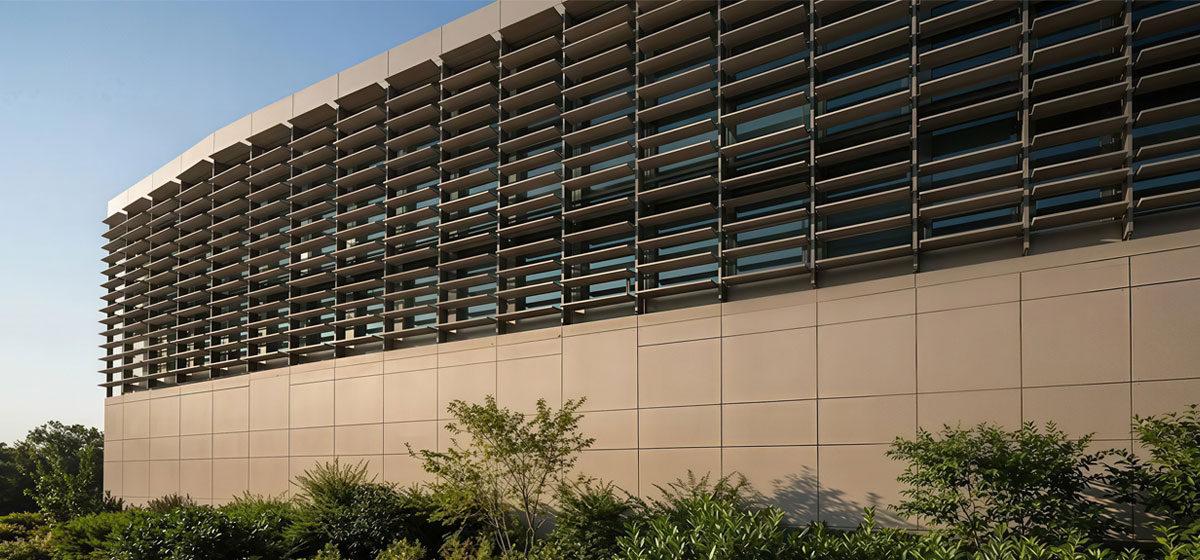
Modern office buildings often feature large windows and glass curtain walls that allow plenty of natural light indoors. However, excessive direct sunlight can create uncomfortable conditions, particularly during peak sunlight hours, when glare and reflections on computer screens become common problems.
Aluminum louvers help regulate how sunlight enters indoor spaces through their blade configurations and angles. By reducing unwanted direct sunlight, they create a more visually comfortable working environment for office occupants.
Improving Indoor Comfort
Indoor comfort depends not only on interior design and air conditioning systems but also on the performance of a building's exterior envelope.
Aluminum louvers help control solar radiation and limit unwanted heat gain, contributing to more stable indoor temperature conditions. This is particularly beneficial for office buildings with extensive glass facades, where managing solar exposure is an important part of maintaining a comfortable workplace.
Enhancing Building Appearance
Aluminum louvers are also widely used as decorative elements in modern architectural facades.
Different blade shapes, arrangements, dimensions, and colors allow architects to create horizontal lines, vertical patterns, and three-dimensional visual effects. Louvers can also be combined with glass curtain walls, aluminum panels, and other building materials to create a more cohesive architectural appearance.
Supporting Building Energy Efficiency
Office buildings typically operate air conditioning and lighting systems for extended periods, making energy consumption an important consideration during the design process.
Properly designed aluminum louvers can reduce solar heat gain and help lower cooling loads. By balancing shading requirements with natural daylight, they may also reduce the need for artificial lighting during certain hours.
Common Applications of Aluminum Louvers in Office Buildings
Aluminum louvers can serve different purposes throughout an office building. Their structural design, blade configuration, and performance requirements vary depending on where they are installed.
Office Building Facades
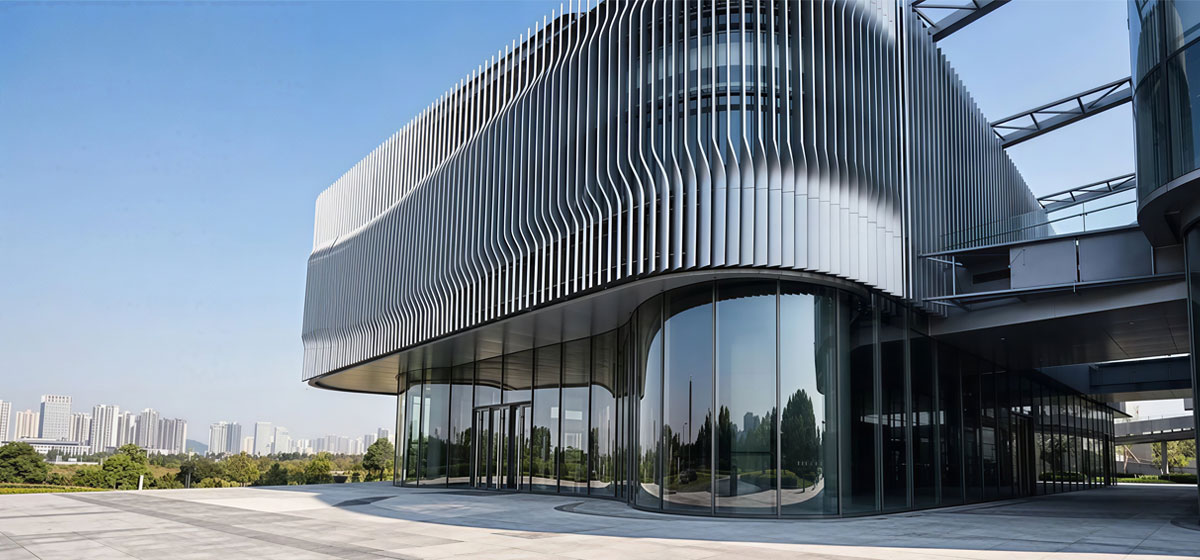
Building facades are among the most common applications for aluminum louvers.
In modern office buildings, aluminum louvers are frequently incorporated into glass curtain wall systems to create visually layered facades. They can function as independent decorative elements or be arranged in continuous horizontal or vertical patterns, adding depth and character to otherwise flat glass surfaces.
For large commercial office projects, custom aluminum louvers can be manufactured to match specific facade dimensions, proportions, and architectural styles. This helps maintain visual consistency across different sections of the building while giving the overall design a more distinctive appearance.
Office Windows and Exterior Sunshade Systems
Around office windows, aluminum louvers are commonly used as part of exterior sunshade systems.
Unlike interior curtains or blinds, exterior louvers intercept sunlight before it passes through the glass, offering an effective approach to managing solar heat gain.
Depending on project requirements, architects can choose fixed or adjustable aluminum louvers. Fixed designs are suitable for facades that require a consistent appearance, while adjustable systems allow blade angles to be changed according to actual usage needs, providing greater flexibility in managing sunlight throughout the day.
HVAC and Mechanical Equipment Areas
Beyond facades and windows, aluminum louvers are widely used in mechanical areas of office buildings.
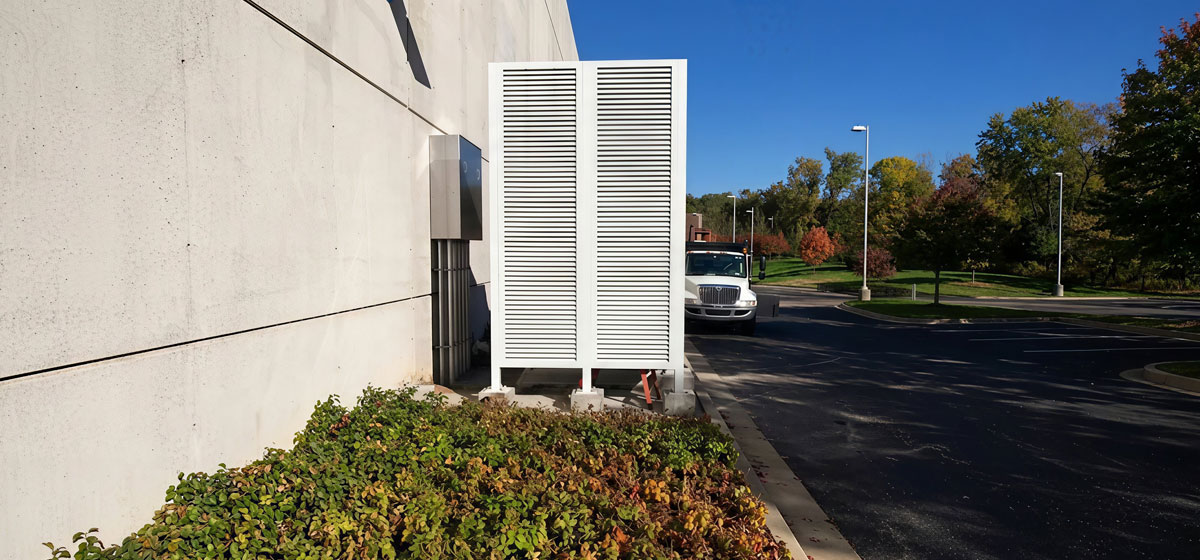
Air conditioning units, ventilation equipment, and mechanical rooms often require adequate airflow. However, leaving these areas fully exposed can affect the overall appearance of the building.
Ventilation louvers provide a practical solution by screening equipment and internal structures while allowing air to pass through.
It is important to distinguish HVAC ventilation louvers from conventional decorative or sunshade louvers. Ventilation applications require careful consideration of free area, airflow resistance, weather protection, and blade configuration to meet equipment requirements.
Rooftop and Parking Structures
Office building rooftops often contain air conditioning units, exhaust systems, and other mechanical equipment. Leaving these installations exposed can create visual clutter and detract from the building's overall appearance.
Aluminum louvers can be used to screen rooftop equipment and integrate these functional areas into a more coordinated architectural design.
They are also used in multi-level parking garages and parking areas attached to office buildings. As facade elements, their open blade structure can partially screen vehicles and internal spaces while maintaining necessary airflow, helping balance ventilation requirements with architectural aesthetics.
How Aluminum Louvers Improve Office Building Performance
Beyond their applications in different building areas, aluminum louvers can also influence the actual operating environment of an office building. Proper product design helps coordinate indoor comfort, architectural requirements, and building service systems.
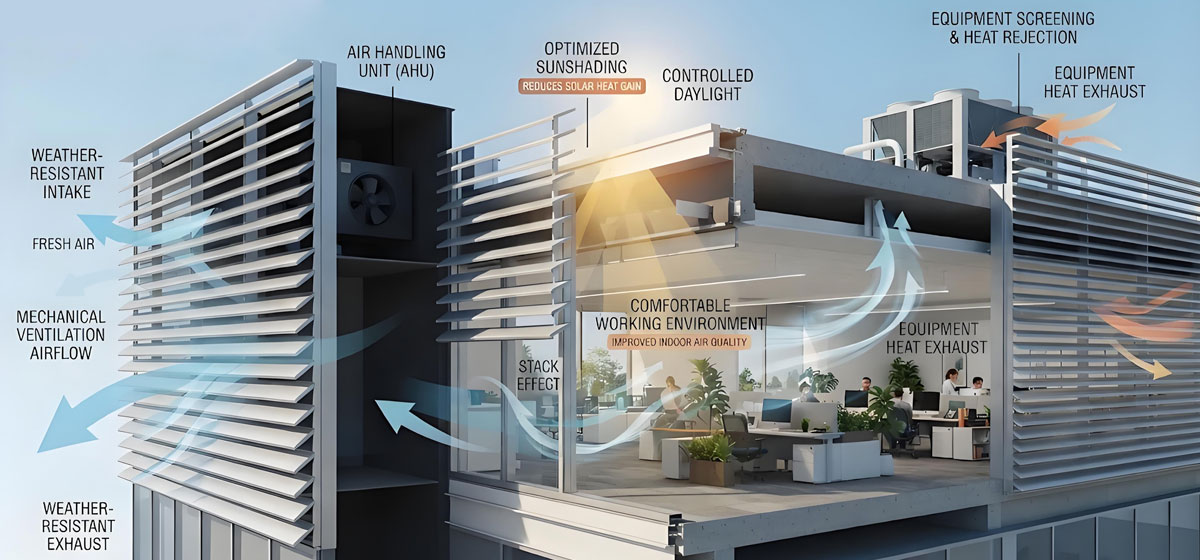
Optimizing Natural Lighting
Natural daylight contributes to a more comfortable working environment in modern offices. However, excessive brightness can cause visual discomfort and interfere with daily work activities.
Well-designed aluminum louvers help regulate indoor light levels by reducing harsh sunlight and reflections while allowing an appropriate amount of natural daylight to enter.
During the design process, factors such as window dimensions, blade spacing, blade angles, and surrounding environmental conditions should be considered to achieve a suitable balance between daylight availability and visual comfort.
Supporting Building Ventilation Systems
In office building HVAC systems, ventilation louvers are commonly installed at air intake and exhaust openings, equipment rooms, and mechanical ventilation areas.
Their design must account for more than appearance. Important considerations include airflow resistance, free area, and the potential for rainwater penetration.
For example, areas requiring continuous air intake or exhaust need blade configurations and dimensions that meet the specified airflow requirements. Poorly designed louvers may create excessive resistance and negatively affect ventilation system performance.
For areas that are not directly exposed to rain and primarily require airflow and equipment screening, flat louvers may be a suitable option. BLD offers flat louver designs that can be considered for these applications, with the final specifications determined by the project's ventilation requirements.
Therefore, ventilation louvers should always be selected according to the building's mechanical system requirements rather than appearance alone.
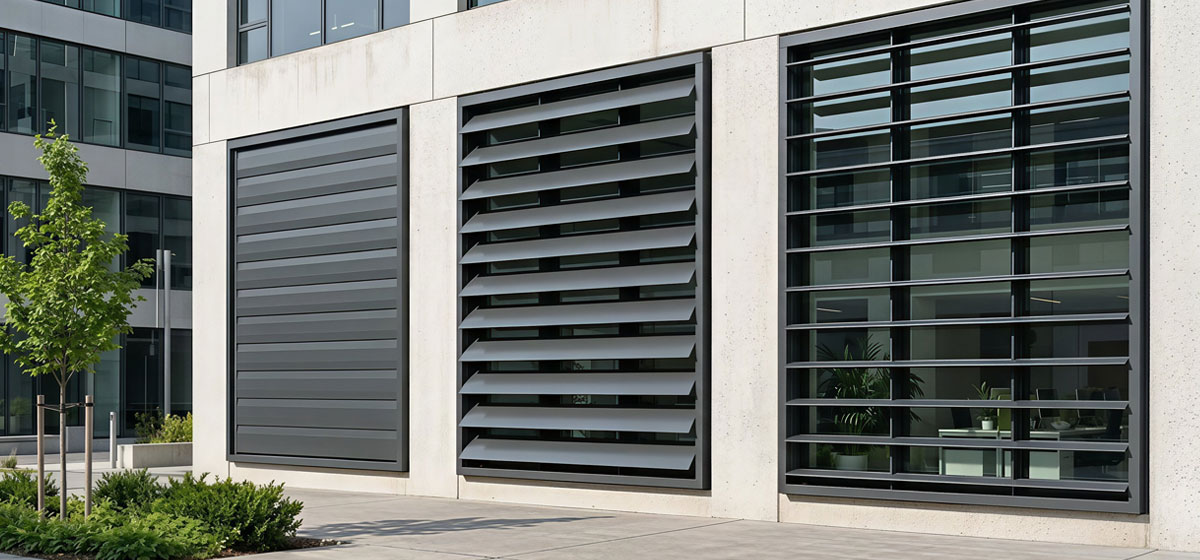
Reducing Long-Term Maintenance Requirements
Office buildings are designed for long-term use, so exterior building components must meet not only initial design requirements but also ongoing maintenance expectations.
Choosing aluminum louvers suitable for the installation environment, together with appropriate surface treatments, can help improve their weather resistance over time.
Additionally, louver systems with straightforward structures and proper installation are generally easier to clean and inspect. For large commercial buildings, this can simplify routine maintenance and help preserve the appearance of the facade.
Design Considerations for Aluminum Louvers in Office Buildings
The design of aluminum louvers affects both the architectural appearance and the practical performance of the finished system. Architects and designers should consider several important factors when specifying louvers for office building projects.
Blade Shapes and Configurations
Aluminum louvers are available in different blade shapes and profiles, including flat, curved, and specially designed aerodynamic configurations.
Each blade design may offer different visual characteristics, shading performance, and airflow properties. The appropriate configuration should therefore be selected according to the intended application.
For projects focused primarily on architectural decoration, blade profiles and facade appearance may receive greater attention. For ventilation applications, airflow performance, weather protection, and free area should take priority.
Horizontal vs. Vertical Louvers
Horizontal and vertical arrangements are two common design approaches for office building facades.
Horizontal louvers create continuous lines across the facade and are often used to emphasize a building's width and horizontal proportions. Vertical louvers, on the other hand, create a stronger sense of height and can make a building appear more visually streamlined.
Beyond aesthetics, the suitability of each arrangement also depends on the building orientation and installation location. The final choice should take into account the overall architectural proportions, facade design, and functional requirements.
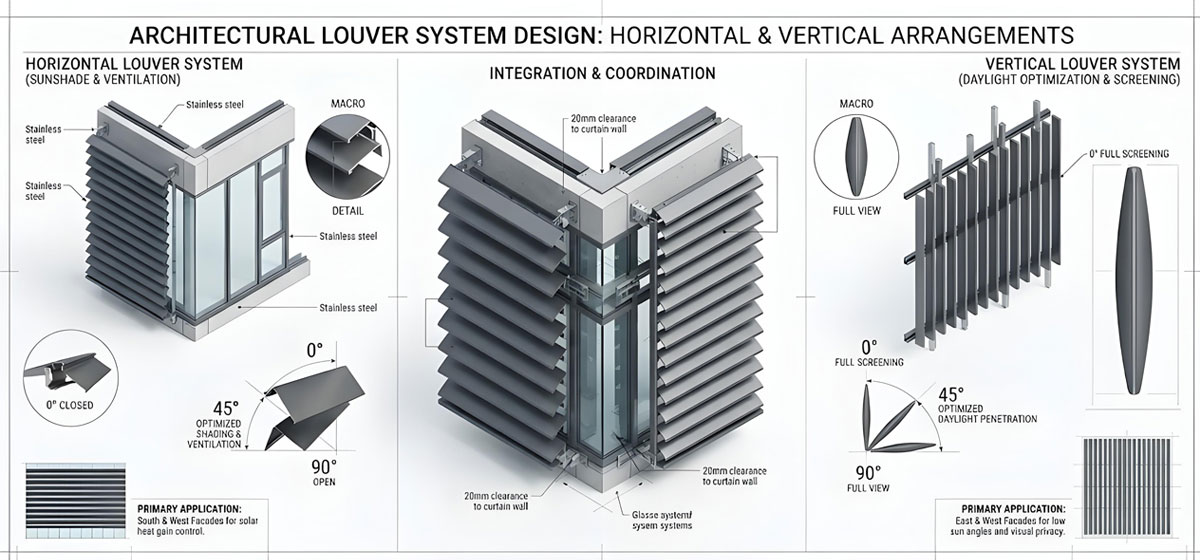
Integration with Glass Curtain Wall Systems
In modern office buildings, aluminum louvers often need to work alongside glass curtain wall systems, making structural coordination particularly important.
During the design stage, factors such as mounting positions, connection methods, support structures, and clearance between the louvers and curtain wall should be carefully evaluated to ensure proper integration.
For larger projects, installation space, structural loading requirements, and maintenance access should also be confirmed in advance. This helps prevent dimensional or connection issues during construction.
Colors and Surface Finishes
Color and surface finish directly influence the final appearance of aluminum louvers and their ability to withstand outdoor environmental conditions.
Common surface treatment options include:
l Powder Coating: Offers a wide range of color options, making it suitable for projects that require coordination with the overall building color scheme.
l PVDF Coating: Commonly used for architectural aluminum components where long-term outdoor weather resistance is an important consideration.
l Anodizing: Creates a protective oxide layer on the aluminum surface while maintaining an attractive metallic appearance.
For office buildings with specific architectural design requirements, BLD can provide customized aluminum louver solutions with different colors and surface finishes to help achieve the desired facade appearance.
Fixed vs. Adjustable Louvers
Different louver operating configurations are available to meet the functional requirements of office buildings.
Fixed louvers feature a relatively simple structure and are suitable for projects that require consistent blade angles and a uniform facade appearance.
Manual and motorized adjustable louvers allow blade angles to be changed according to actual needs. Motorized systems can also be integrated with automated control systems, making them suitable for buildings that require greater flexibility in managing solar shading.
For office buildings where both architectural appearance and operational convenience matter, selecting the appropriate operating mechanism can help ensure that the louver system meets the intended requirements.
Why Is Aluminum a Suitable Material for Office Building Louvers?
Aluminum is widely used in modern architectural facades and building components. For office building louvers, its main advantages include low weight, fabrication flexibility, and a variety of surface finishing options.
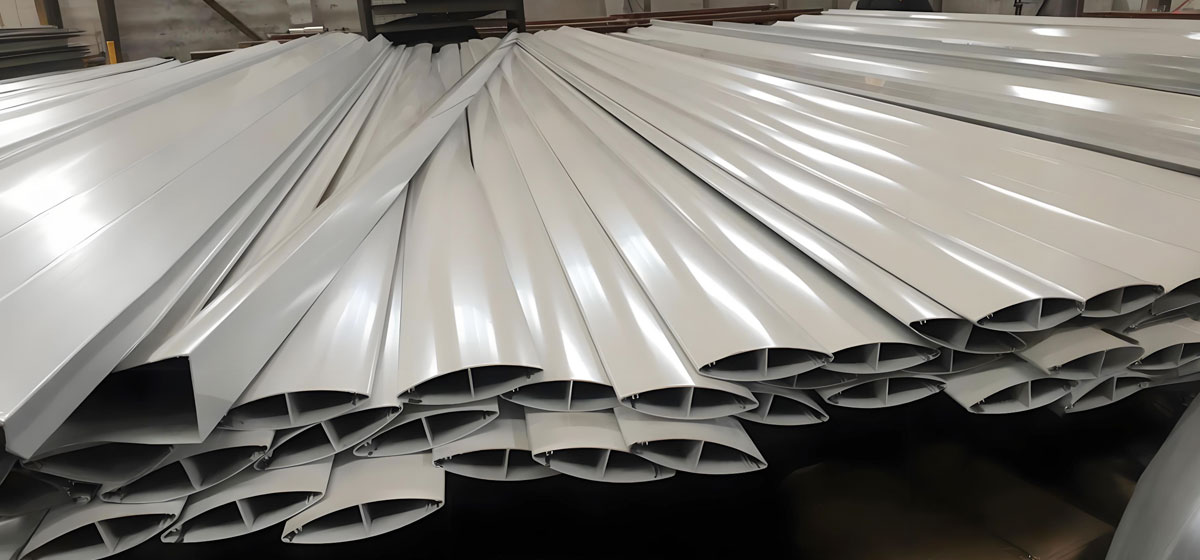
Lightweight Structure
Compared with many traditional metals, aluminum has a relatively low density. When designed to meet the required structural specifications, aluminum helps reduce the overall weight of a louver system, offering greater flexibility in building installation and structural planning.
Good Corrosion Resistance
Aluminum naturally forms a protective oxide layer on its surface, providing a degree of corrosion resistance. Combined with anodizing, powder coating, or PVDF coating, it can offer additional protection for different outdoor architectural environments.
Fabrication Flexibility
Aluminum offers good fabrication properties and can be manufactured into different blade shapes, dimensions, and cross-sectional profiles according to project requirements.
For office buildings with distinctive architectural styles, customization is particularly important. By adjusting blade specifications, arrangements, and structural configurations, aluminum louvers can better accommodate different facade designs.
A Variety of Surface Finish Options
Aluminum supports various surface finishing processes, making it suitable for different architectural styles and environmental conditions.
Whether a project calls for a modern metallic facade or a specific color scheme to complement a commercial office building, an appropriate surface finish can help achieve the desired appearance.
Suitable for Long-Term Architectural Applications
When the material specifications, structural design, and surface treatment are properly selected for the intended environment, aluminum louvers can meet the demands of long-term outdoor architectural applications.
Their routine cleaning and inspection are also relatively straightforward, making them a practical choice for commercial buildings that need to maintain their appearance and functionality over time.
Frequently Asked Questions About Aluminum Louvers for Office Buildings
1. Can Aluminum Louvers Be Installed on Glass Curtain Walls?
Yes. Aluminum louvers can be installed as independent exterior components in front of glass curtain walls or coordinated with the curtain wall structure as part of the overall building design. The installation method should account for connection details, support conditions, and facade requirements.
2. What Is the Difference Between Architectural Louvers and Ventilation Louvers?
Architectural louvers are primarily used for facade aesthetics, screening, and sun shading. Ventilation louvers, on the other hand, are designed to allow air to pass through and must meet specific requirements for free area, airflow resistance, and weather protection. Although they may look similar, their design objectives and performance requirements are different.
3. Are Aluminum Louvers Suitable for High-Rise Office Buildings?
Yes, provided they are properly engineered for the building's height, local wind loads, installation location, and supporting structure. High-rise applications require particular attention to structural strength, connection details, and wind resistance. Product specifications designed for low-rise buildings should not be assumed to be suitable for high-rise projects.
4. Can Aluminum Louvers Be Customized for Office Buildings?
Yes. Aluminum louvers can generally be customized according to project requirements, including blade dimensions, shapes, colors, surface finishes, and mounting configurations. Custom solutions are especially useful for office buildings with distinctive facade designs or specific functional requirements.
Conclusion: Make Every Architectural Detail Count
A well-designed office building should do more than make a strong first impression. Every architectural element should contribute to the overall design and serve a clear purpose.
From defining the character of a facade to accommodating the practical needs of mechanical spaces, the right aluminum louver system can help bring architectural vision and everyday functionality together.
If you are planning a new office building or looking for a facade solution for a commercial project, start with the details that make a difference. BLD offers customized aluminum louver options tailored to different project dimensions, structural requirements, colors, and functional needs.
Give your building more than an impressive appearance. Make every detail count with a custom aluminum louver solution from BLD. Contact our team to discuss your project.